Introduction
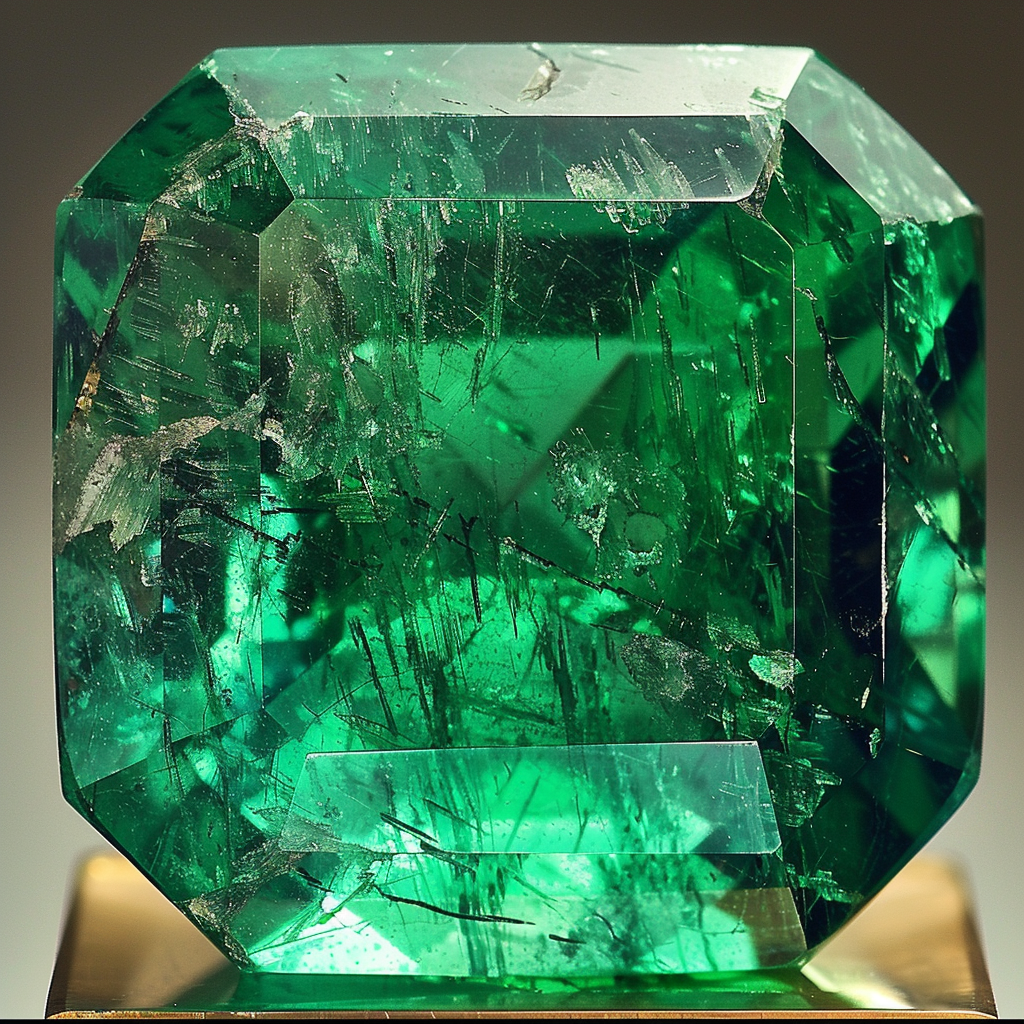
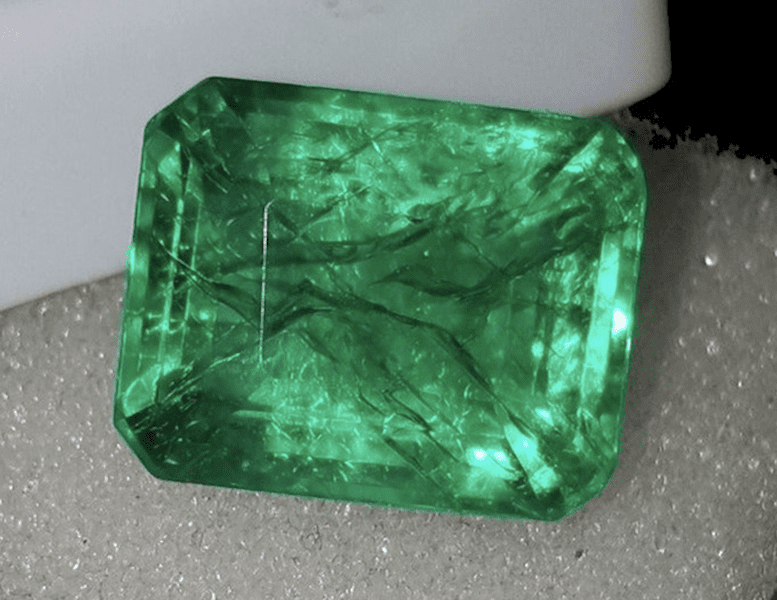
Emeralds are among the most coveted colored gemstones in the world, prized for their rich green hue and historical significance. However, they are also one of the most commonly treated gemstones on the market. Unlike rubies or sapphires, which can occur with excellent clarity, emeralds almost always contain natural inclusions — often referred to in the trade as their “jardin” (French for garden).
Because of this inherent characteristic, the vast majority of emeralds undergo some form of clarity enhancement. For jewelers and gemstone buyers, understanding these treatments is not optional — it is essential for accurate pricing, proper disclosure to clients, and protecting your reputation in the trade.
Why Are Emeralds Treated?
Emeralds belong to the beryl mineral family and form under geological conditions that almost always produce internal fractures and inclusions. These natural features, while part of the stone’s character, can reduce transparency and visual appeal.
Treatment exists to improve the apparent clarity of the stone by filling surface-reaching fractures with substances that have a similar refractive index to emerald. When done properly, these treatments make the inclusions less visible to the naked eye, enhancing the stone’s overall beauty without altering its fundamental structure.
It is important to note that treated emeralds are not “fake” — they are natural emeralds that have undergone industry-accepted enhancement processes. The critical factor is the type and degree of treatment, which directly impacts the stone’s value and market positioning.
Common Emerald Treatment Methods
There are three primary treatment methods used in the emerald industry, each with distinct characteristics and trade implications.
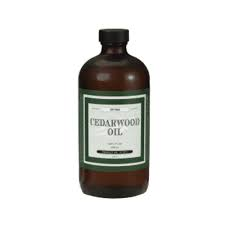
Cedar Oil Treatment is the most traditional and widely accepted method. Natural cedar oil, which has a refractive index close to that of emerald, is used to fill surface-reaching fractures. This treatment has been practiced for centuries and is generally considered minor enhancement. Cedar oil can dry out over time, meaning stones may require re-oiling — a factor jewelers should communicate to their clients.
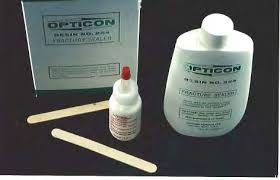
Resin Filling involves using synthetic resins such as Opticon or Permasafe to fill fractures. These resins are more stable than oil and do not evaporate, providing a longer-lasting enhancement. However, resin-filled emeralds are considered more significantly treated than oil-treated stones, and this distinction directly affects pricing. Resin filling is common in commercial-grade emeralds.
Dyeing is the most aggressive treatment, where colored oils or resins are used not only to fill fractures but also to improve the color of pale emeralds. Dyed emeralds are considered the lowest tier of treated stones and must always be disclosed. They are typically found at the most affordable price points.
How Treatment Affects Emerald Value
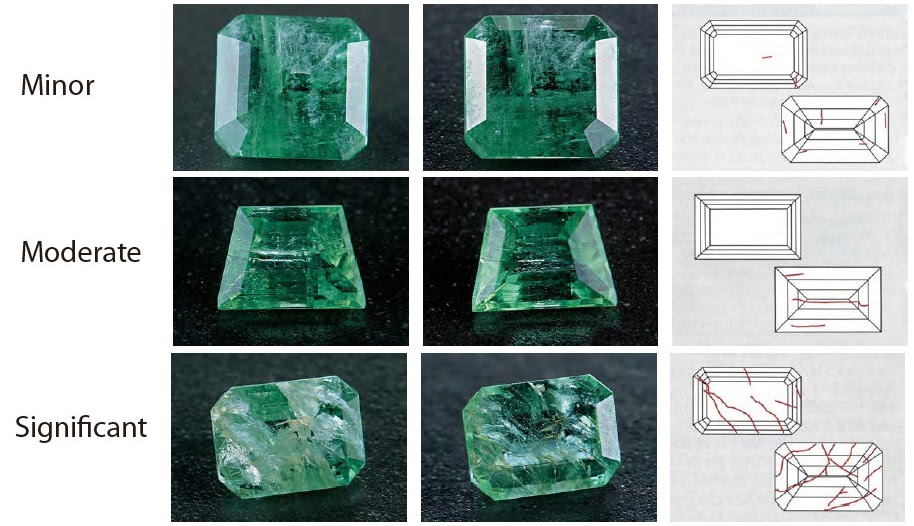
The degree of treatment has a direct and significant impact on an emerald’s market value. The gemstone trade uses a standardized scale to describe treatment levels:
None (No Treatment) means the emerald has not been enhanced in any way. These stones are exceptionally rare and command the highest premiums — often two to five times more than a comparable treated stone.
Minor (or Insignificant) treatment, typically light oiling, is the most commercially desirable category for fine emeralds. These stones retain strong value and are widely accepted in the high-end market.
Moderate treatment indicates a noticeable degree of filling, usually with oil or resin. These stones offer good value for jewelers serving mid-range markets.
Significant (or Extensive) treatment indicates heavy filling, often with resin. These stones are priced considerably lower and are best suited for commercial jewelry production where cost control is a priority.
Understanding these categories allows jewelers to price inventory accurately and set appropriate client expectations.
Certification and Treatment Disclosure
Reputable gemological laboratories include treatment information on their emerald reports. When sourcing emeralds, always request a certificate from a recognized lab that specifies both the origin and the treatment status.
For jewelers, full disclosure of treatment is not just an ethical obligation — it is a legal requirement in many markets. Selling a significantly treated emerald without disclosure can result in returns, disputes, and lasting damage to your business reputation.
When advising clients, explain that treatment is normal and expected in emeralds. What matters is the degree of treatment and whether it has been properly disclosed and documented.
Tips for Buying Emeralds as a Jeweler
When sourcing emeralds for your inventory, prioritize color first. The most desirable emerald color is a vivid, slightly bluish green with medium to medium-dark tone and strong saturation. Clarity is secondary to color in emerald valuation, which is the opposite of how diamonds are evaluated.
Always request certification from a recognized laboratory that documents both origin and treatment level. Compare pricing across treatment categories to ensure you are paying appropriately for the level of enhancement.
Build relationships with trusted suppliers who specialize in colored gemstones and can provide consistent quality. At Source of Gems, we offer calibrated emeralds in all shapes and sizes, from medium to high quality, with full transparency on treatment status.
Conclusion
Emerald treatments are not something to fear — they are something to understand. The more knowledgeable you are about oiling, resin filling, and dyeing, the better positioned you are to source wisely, price fairly, and serve your clients with integrity. In a market where transparency is increasingly valued, your expertise becomes your strongest selling point.