Introduction
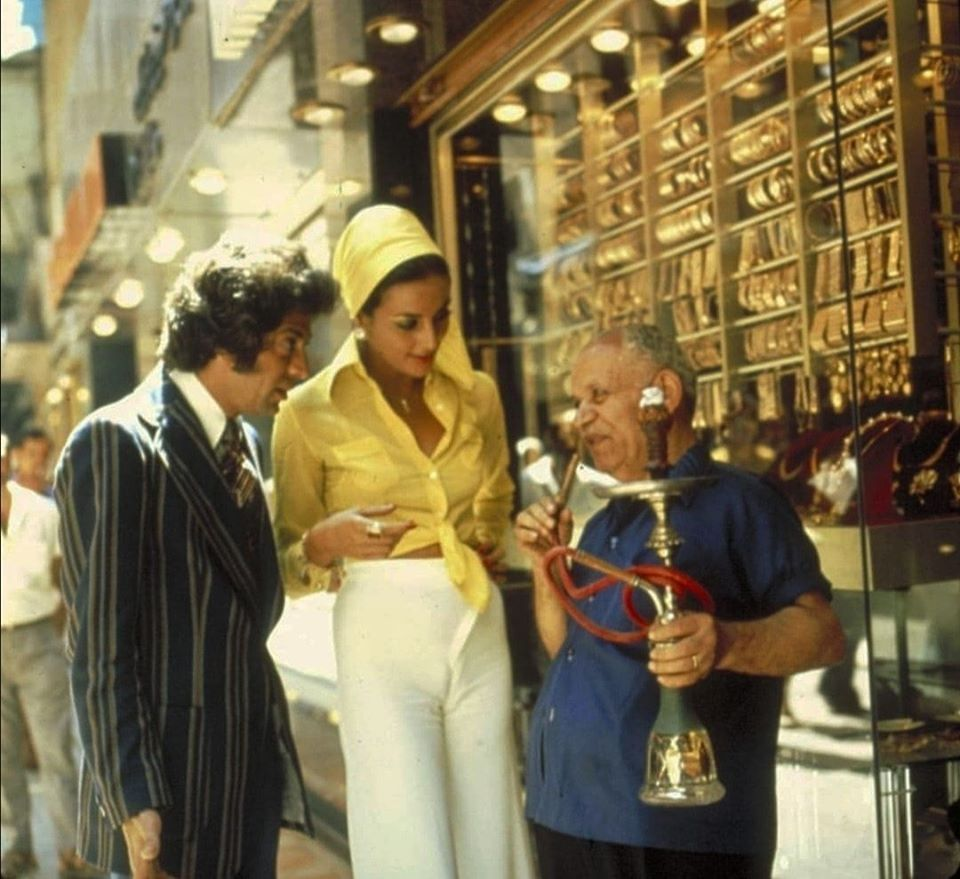
When people think of major gemstone trading centers, cities like Antwerp, Mumbai, Bangkok, and Hong Kong often come to mind. But the Middle East — and Beirut in particular — has a long and significant history as a crossroads for the global gemstone and jewelry trade that is often overlooked.
For centuries, Beirut has served as a strategic bridge between Eastern gemstone sources and Western markets. Today, despite the challenges the region has faced, the city continues to be home to a dedicated community of gemstone dealers, diamantaires, and lapidary specialists whose expertise and trade networks span the globe.
This article explores why the Middle East remains a vital hub for gemstone sourcing and how working with established dealers in the region offers distinct advantages for jewelers and manufacturers.
A Rich History: Gemstones on the Silk Road and Beyond
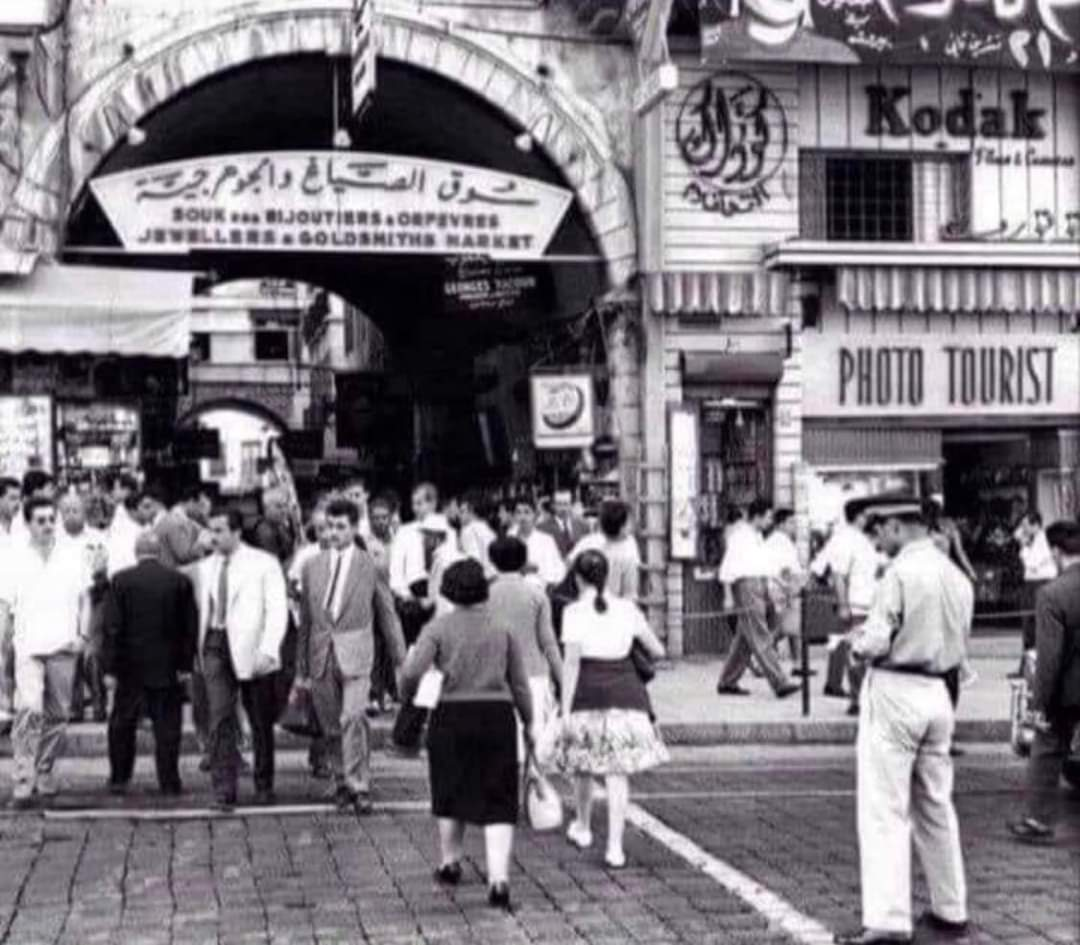
The Middle East’s role in the gemstone trade dates back thousands of years. As a central node on the ancient Silk Road trade routes, the region served as a natural meeting point for gemstones traveling from mines in India, Sri Lanka, Myanmar, and East Africa to markets in Europe and the Mediterranean.
Historically, Beirut and other Levantine cities were home to thriving communities of merchants who specialized in precious stones. This expertise was passed down through generations, creating a deep well of gemological knowledge and trade relationships that persists to this day.
The region’s diamond trade has particularly deep roots. Lebanese and Syrian dealers established presences in Antwerp, Mumbai, and Ramat Gan decades ago, creating supply chains that connect mining sources directly to Middle Eastern workshops and retail markets.
Beirut’s Competitive Advantages for Gemstone Buyers
Several factors make Beirut an attractive sourcing destination for jewelers and manufacturers in the region and beyond.
Geographic positioning places Beirut within a few hours of major European, African, and Asian markets, making it an efficient logistics hub for gemstone shipment and delivery.
Generational expertise means that many Beirut-based dealers have decades of experience in grading, pricing, and sourcing stones. This hands-on knowledge — often spanning three or four generations — offers clients a level of personalized service and gemological insight that larger, more transactional trading centers may not provide.
Competitive pricing is another advantage. Lower overhead costs compared to major trading centers like Antwerp or Hong Kong, combined with established supplier relationships, allow Beirut-based dealers to offer attractive pricing on both certified diamonds and colored gemstones.
Additionally, dealers in Beirut often provide lapidary services including custom cutting, resizing, and polishing — services that add significant value for manufacturers who need stones calibrated to precise specifications.
Serving the Broader Middle Eastern Market
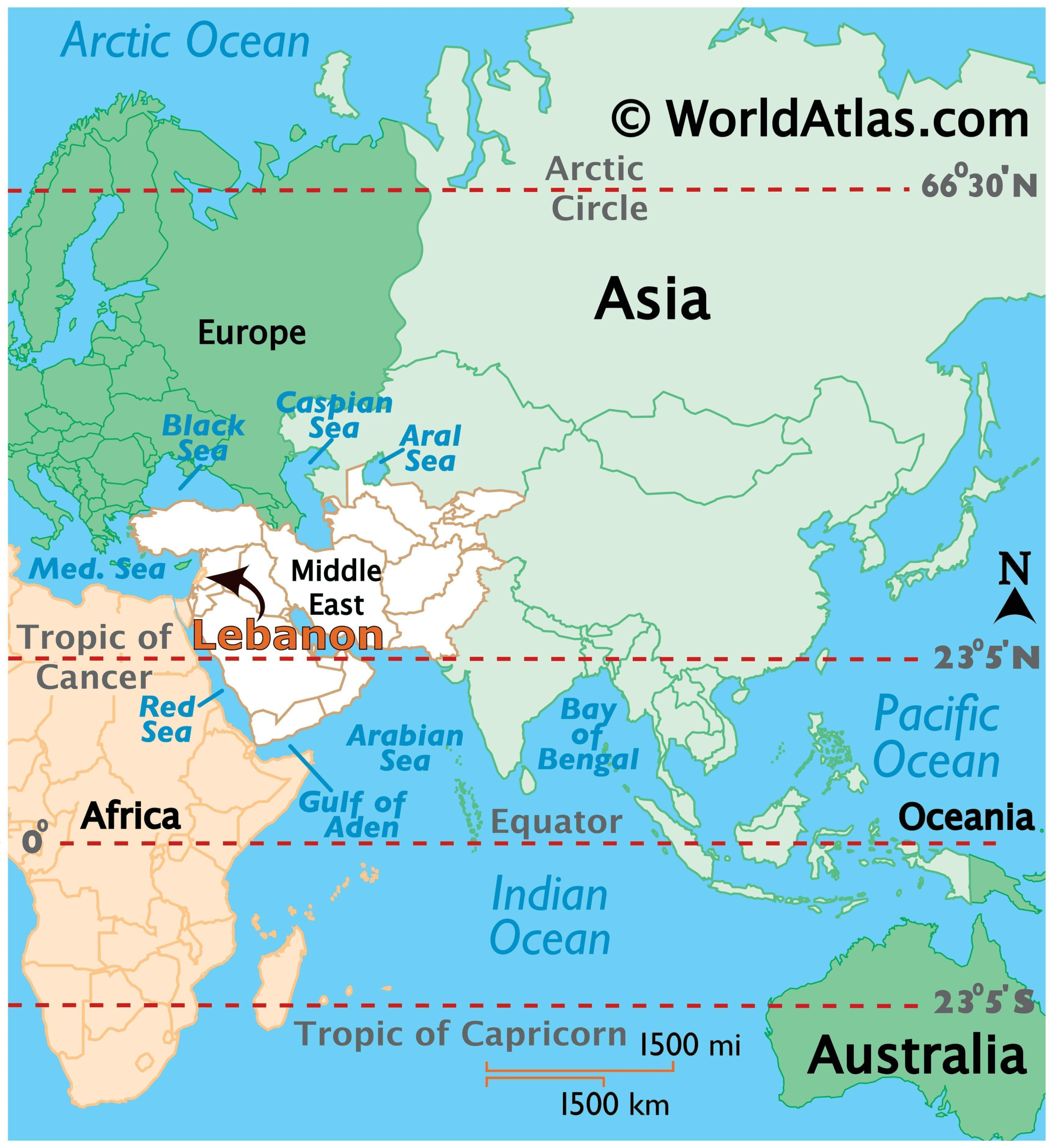
Beirut-based gemstone dealers serve a wide client base across Lebanon, Syria, Iraq, Jordan, Cyprus, and the broader Gulf region. Each market has distinct preferences and requirements.
The Lebanese market favors high-quality certified diamonds for engagement rings and fine jewelry, with strong demand for GIA and HRD certified stones. Syrian and Iraqi jewelers often seek calibrated colored gemstones and commercial-grade diamonds for production work. Cypriot and Jordanian markets show growing interest in both certified loose diamonds and semi-precious stones for contemporary jewelry designs.
Understanding these regional nuances — and having the inventory flexibility to serve diverse client needs — is a hallmark of experienced Middle Eastern gemstone dealers.
The Future of the Trade in the Region
Despite political and economic challenges, the Middle Eastern gemstone trade continues to adapt and evolve. A new generation of dealers is embracing digital tools for inventory management, virtual stone viewing, and international shipping logistics.
The growing demand for transparency and ethical sourcing is also shaping the trade, with more dealers investing in certified supply chains and documented provenance for both diamonds and colored gemstones.
As global jewelry trends in 2026 continue to favor colored gemstones and personalized designs, the Middle East’s access to diverse gemstone varieties — from diamonds and sapphires to semi-precious stones like tourmaline and tsavorite — positions regional dealers to meet evolving market demand.
Conclusion
Beirut may not have the name recognition of Antwerp or Bangkok in the global gemstone trade, but its combination of deep expertise, competitive pricing, strategic location, and personalized service makes it a valuable sourcing hub for jewelers and manufacturers across the region.
Source of Gems is proud to operate from the heart of Beirut, serving B2B clients throughout Lebanon, Syria, Iraq, Jordan, Cyprus, and beyond. Explore our full range of loose diamonds and colored gemstones, or reach out to discuss your sourcing requirements.