Introduction
A diamond certificate — also called a grading report — is the most important document in any diamond transaction. Issued by independent gemological laboratories such as GIA (Gemological Institute of America) and HRD (Hoge Raad voor Diamant, based in Antwerp), these reports provide an objective, standardized assessment of a diamond’s quality characteristics.
For jewelers, manufacturers, and informed buyers, the ability to read and interpret a diamond certificate is a fundamental professional skill. It allows you to verify quality, compare stones accurately, negotiate fair prices, and build trust with your clients.
This guide walks you through every key section of a GIA and HRD diamond grading report so you can read any certificate with confidence.
Report Number and Verification
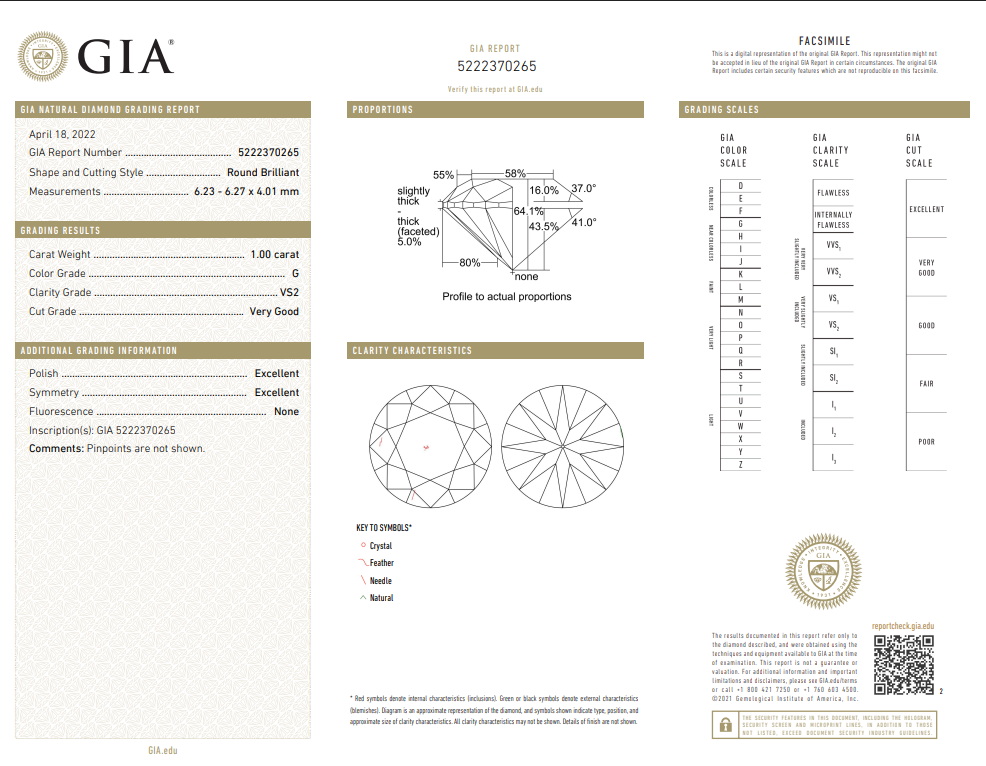
Every GIA and HRD certificate carries a unique report number. This number is your first line of defense against fraud. Before purchasing any certified diamond, verify the report number directly through the laboratory’s website — GIA offers this through their Report Check service, and HRD through their My HRD portal.
The report number is also typically laser-inscribed on the diamond’s girdle, which you can verify under magnification. If the inscription does not match the certificate, or if the certificate cannot be verified online, do not proceed with the purchase.
The 4Cs: Carat Weight, Color, Clarity, and Cut
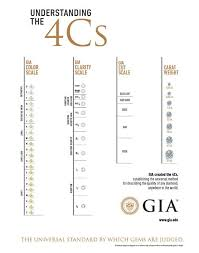
The core of any diamond certificate is the grading of the four fundamental quality characteristics.
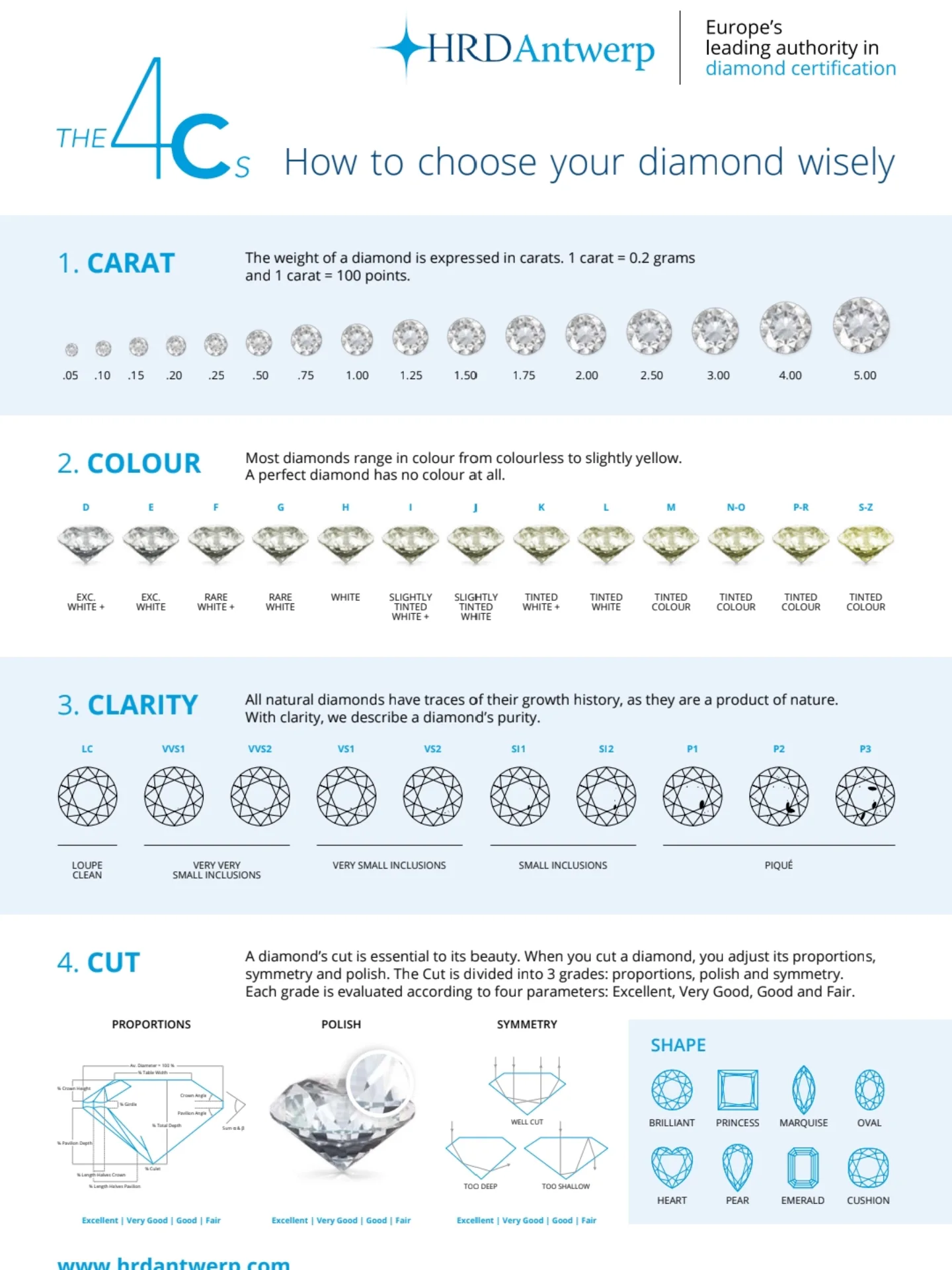
Carat Weight is measured to the hundredth of a carat using calibrated electronic scales. One carat equals 0.2 grams. This is a factual measurement, not a subjective grade.
Color Grade ranges from D (colorless) to Z (light yellow or brown) on the GIA scale. HRD uses the same D-to-Z scale. Grades D through F are considered colorless and command premium pricing. G through J are near-colorless and offer excellent value. Beyond K, color becomes increasingly visible to the naked eye.
Clarity Grade assesses internal inclusions and surface blemishes under 10x magnification. The GIA scale runs from Flawless (FL) to Included (I3). For most commercial purposes, VS2 to SI1 stones offer the best balance of eye-clean appearance and value.
Cut Grade (GIA only for round brilliants) evaluates proportions, symmetry, and polish. GIA grades cut from Excellent to Poor. HRD provides a similar assessment through its proportions analysis. The cut grade has the most significant impact on a diamond’s visual performance — a well-cut diamond will exhibit superior brilliance, fire, and scintillation.
Proportions and Measurements
Both GIA and HRD reports include precise measurements and proportion data for round brilliant diamonds. Key metrics include table percentage, crown angle, pavilion angle, girdle thickness, and total depth percentage.
These proportions determine how light interacts with the diamond. Ideal proportions for a round brilliant include a table percentage between 54 and 57 percent, a crown angle between 34 and 35 degrees, and a pavilion angle between 40.6 and 41 degrees. Diamonds falling within these ranges typically display the strongest optical performance.
For fancy shapes such as oval, cushion, or emerald cut, proportions are reported but no formal cut grade is assigned by either laboratory. In these cases, visual inspection and trade experience become particularly important.
Clarity Plot and Comments
The clarity plot is a diagram on the certificate that maps the location, size, and type of inclusions within the diamond. GIA uses red symbols for internal characteristics (inclusions) and green symbols for external characteristics (blemishes).
Common inclusion types noted on certificates include crystals (mineral deposits trapped inside the diamond), feathers (internal fractures), needles (thin elongated inclusions), clouds (clusters of tiny pinpoints), and twinning wisps (distorted growth patterns).
The comments section of the certificate may contain additional information such as fluorescence observations, treatment disclosures, or notes about specific characteristics. Always read the comments carefully — they can contain critical information that affects value and saleability.
Fluorescence
Fluorescence describes a diamond’s reaction to ultraviolet light. GIA grades fluorescence as None, Faint, Medium, Strong, or Very Strong. The most common fluorescence color is blue.
For the trade, fluorescence is a nuanced factor. Strong blue fluorescence in high-color diamonds (D-F) can create a hazy or milky appearance in some stones, reducing their value by 10 to 15 percent. However, medium blue fluorescence in lower-color diamonds (I-K) can actually improve their appearance by counteracting yellow body color, making these stones appear whiter in daylight.
Understanding fluorescence allows jewelers to source strategically — finding value opportunities in stones that others might overlook.
GIA vs. HRD: Key Differences for Jewelers
While both GIA and HRD are respected laboratories, there are practical differences jewelers should understand.
GIA is headquartered in the United States and is the most widely recognized laboratory globally. Their grading standards are considered the industry benchmark, and GIA certificates carry the strongest market liquidity — particularly in the American, Asian, and Middle Eastern markets.
HRD is based in Antwerp, Belgium, and is the dominant laboratory in European markets. HRD reports are generally considered equivalent to GIA in quality, though some traders note that HRD grading can be slightly more generous on color and clarity by approximately half a grade in some cases.
For sourcing decisions, choose the certificate that carries the strongest recognition in your target market. In Lebanon and the broader Middle East, both GIA and HRD certificates are widely accepted and trusted.
Conclusion
A diamond certificate is only as valuable as your ability to interpret it. By mastering the details of GIA and HRD grading reports — from verifying the report number to understanding proportions and fluorescence — you position yourself as a knowledgeable, trustworthy partner for your clients.
Source of Gems supplies GIA and HRD certified loose diamonds across a full range of sizes and qualities. Contact us to discuss certified diamond sourcing for your business.