Introduction
The diamond market in 2026 is defined by a fundamental shift: lab-grown diamonds have moved from a niche curiosity to a mainstream product category that every jeweler must understand. Whether you are a manufacturer setting stones or a retailer advising clients, the question is no longer whether lab-grown diamonds belong in your inventory — it is how to position them alongside natural stones for maximum business impact.
This guide breaks down the critical differences between lab-grown and natural diamonds, covering origin, pricing dynamics, certification, resale value, and consumer perception so you can make informed purchasing and stocking decisions.
How Lab-Grown Diamonds Are Made
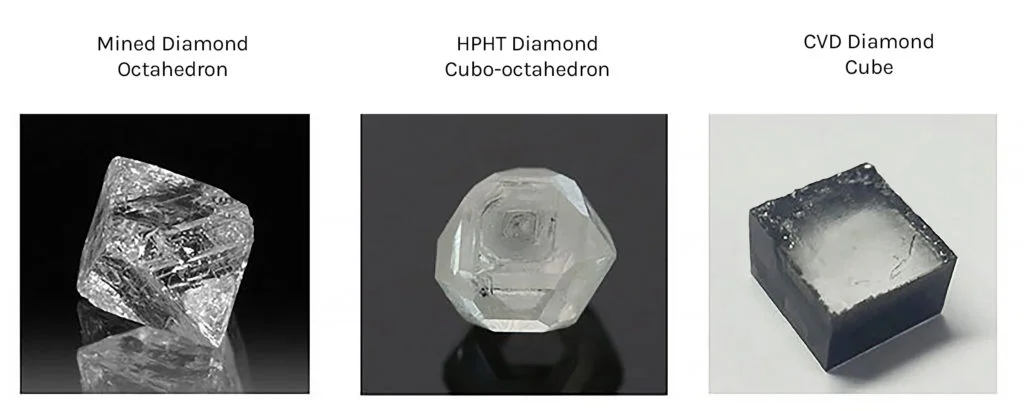
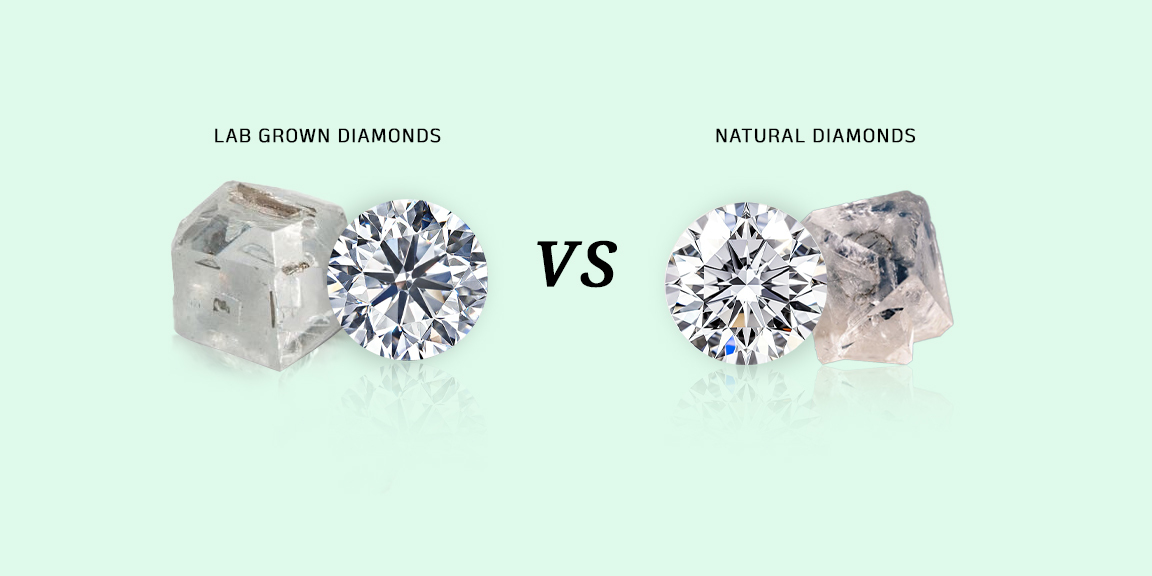
Lab-grown diamonds are produced using two primary methods: High Pressure High Temperature (HPHT) and Chemical Vapor Deposition (CVD). Both processes replicate the conditions under which natural diamonds form deep within the Earth’s mantle, but they do so in controlled laboratory environments within weeks rather than billions of years.
HPHT diamonds are created by subjecting a carbon source to extreme pressure (around 1.5 million pounds per square inch) and temperatures exceeding 1,400 degrees Celsius. CVD diamonds, on the other hand, grow from a hydrocarbon gas mixture in a vacuum chamber, depositing carbon atoms layer by layer onto a seed crystal.
The resulting stones are chemically, physically, and optically identical to mined diamonds. Standard gemological equipment cannot distinguish between them without specialized detection devices — a fact that has significant implications for jewelers and dealers.
Natural Diamonds: The Enduring Appeal
Natural diamonds carry billions of years of geological history, and that story is central to their value proposition. Formed 150 to 200 kilometers beneath the Earth’s surface under extreme heat and pressure, each natural diamond is genuinely unique — with its own combination of inclusions, trace elements, and crystal structure.
For the jewelry trade, natural diamonds offer several advantages that lab-grown stones cannot replicate. Their supply is finite, which supports long-term value retention. They carry emotional and cultural weight rooted in centuries of tradition. And critically for the B2B market, certified natural diamonds from GIA and HRD maintain consistent resale and trade-in value that lab-grown diamonds have yet to establish.
Pricing Trends: Where the Market Stands in 2026
The pricing gap between lab-grown and natural diamonds has widened dramatically since 2022. Lab-grown diamond prices have fallen by approximately 60 to 75 percent over the past four years as production capacity has scaled, particularly from facilities in India and China. A one-carat lab-grown round brilliant that might have sold for $3,500 in 2021 can now be sourced for under $200 at wholesale.
Natural diamond prices, while experiencing some softness in the melee and commercial quality segments, have held far more steadily — particularly in the one-carat-plus, high-color, high-clarity range. Certified stones with GIA or HRD reports continue to command premium pricing, and the gap between natural and lab-grown resale values continues to grow.
For jewelers, this means lab-grown diamonds offer attractive margin opportunities at accessible price points, while natural diamonds remain the foundation for high-value sales and investment-grade inventory.
Certification and Detection: Protecting Your Business
One of the most critical issues facing jewelers in 2026 is the risk of undisclosed lab-grown or treated diamonds entering the natural supply chain. Fraudulent sellers have been known to submit lab-grown stones for natural diamond certification or tamper with existing certificates.
To protect your business, always source diamonds from trusted, reputable dealers who provide full disclosure on origin. Invest in screening devices such as the De Beers DiamondView or GGTL’s automated screening technology. Verify GIA and HRD certificate numbers directly through the issuing laboratory’s online portal before purchasing.
Laboratories have responded by enhancing their detection capabilities and adding inscription services. A GIA-certified natural diamond will typically carry a laser inscription on its girdle matching the certificate number — always verify this under magnification.
How Jewelers Should Position Both in Their Inventory
The most successful jewelers in 2026 are not choosing between lab-grown and natural — they are offering both with clear differentiation. Here is how to approach inventory strategy:
Position natural diamonds as the premium, investment-worthy choice for milestone purchases such as engagement rings, anniversary gifts, and heirloom pieces. Emphasize their rarity, enduring value, and emotional significance.
Position lab-grown diamonds as the accessible, design-forward option for fashion jewelry, stackable rings, everyday pieces, and customers who prioritize size and brilliance within a defined budget.
The key is transparency. Customers respect jewelers who are upfront about the differences and allow them to make informed choices based on their priorities and budget.
Conclusion
The lab-grown versus natural diamond conversation is not going away — it is evolving. As a jeweler or manufacturer, your competitive edge lies in understanding both products deeply, sourcing responsibly, and guiding your clients with expertise and honesty. In a market that is more informed than ever, knowledge is your most valuable asset.
At Source of Gems, we supply both GIA and HRD certified natural diamonds as well as uncertified options in a wide range of sizes, from melee to five carats. Contact us to discuss your diamond sourcing needs.