Introduction
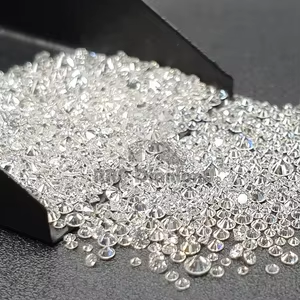
Melee diamonds are the unsung workhorses of the jewelry industry. These small diamonds — typically ranging from 0.001 to 0.20 carats — may not grab headlines like large solitaires, but they are essential components in the vast majority of fine jewelry pieces produced worldwide.
From pave settings and halo rings to channel-set bands and watch bezels, melee diamonds provide the sparkle and visual impact that elevate jewelry designs from simple to spectacular. For jewelers and manufacturers, sourcing quality melee diamonds consistently and at competitive prices is a fundamental business requirement.
This guide covers everything you need to know about melee diamonds: sizing conventions, quality grades, sorting standards, and practical tips for making smart purchasing decisions.
What Are Melee Diamonds?
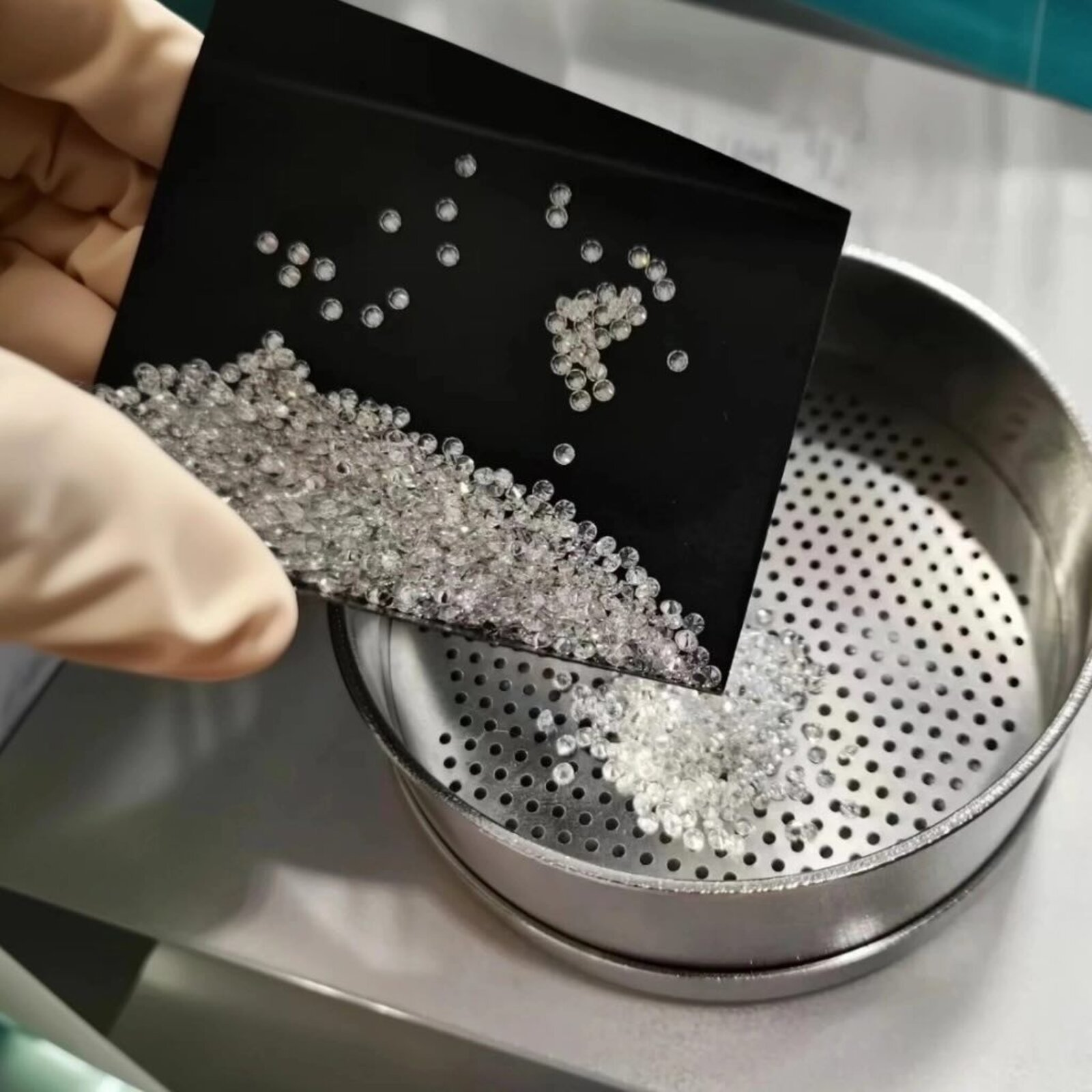
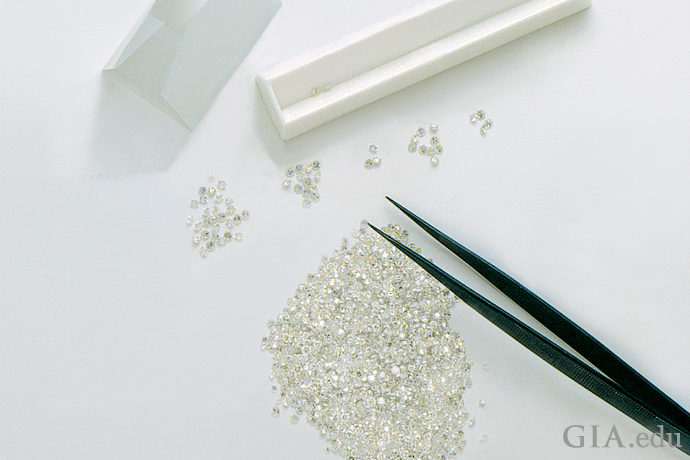
The term “melee” (derived from the French word for “mix” or “mixture”) refers to small diamonds that are too small to be sold individually as center stones. In current trade usage, melee diamonds are generally divided into two subcategories.
Single-cut melee are the smallest category, typically under 0.08 carats, with a simplified facet pattern of 17 or 18 facets. These are used in designs where individual stone size is very small and a full brilliant cut would be impractical.
Full-cut melee feature the standard 57 or 58 facets of a round brilliant diamond and typically range from 0.08 to 0.20 carats. These stones offer noticeably more brilliance and fire than single-cut melee and are preferred for higher-quality jewelry applications.
Understanding the difference between single-cut and full-cut melee is critical when specifying stones for a particular design, as it directly affects the visual outcome and the price point.
Melee Diamond Sizing: How Sizes Are Measured and Described
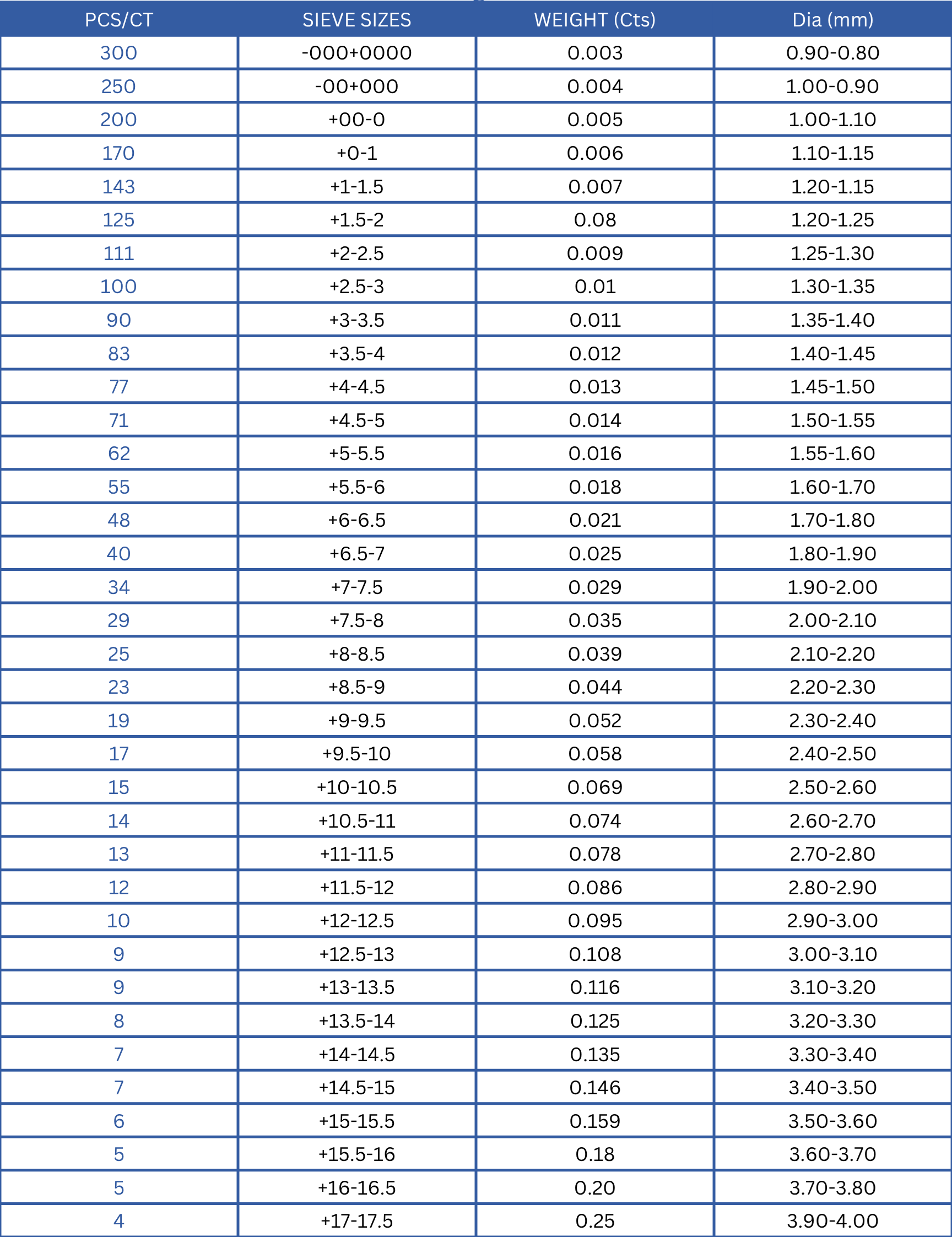
Melee diamonds are typically described by their diameter in millimeters rather than by individual carat weight, since they are purchased in parcels rather than as individual stones. Common melee size ranges include:
0.8 to 1.0 mm (approximately 0.003 to 0.005 carats per stone), used for delicate micro-pave work and watch settings. 1.0 to 1.3 mm (approximately 0.005 to 0.01 carats), common in fine pave settings and thin band designs. 1.3 to 1.7 mm (approximately 0.01 to 0.02 carats), widely used in halo settings and accent work. 1.7 to 2.5 mm (approximately 0.02 to 0.06 carats), popular for channel settings and more prominent accent stones. 2.5 to 3.8 mm (approximately 0.06 to 0.20 carats), the upper end of melee, often used as side stones flanking a center stone.
When ordering melee, specify the diameter range, cut type, and quality grade to ensure consistency across your parcel.
Quality Grades: Color and Clarity in Melee
Melee diamonds are graded using the same color and clarity scales as larger diamonds, but they are assessed as parcels rather than individual stones. The most common trade grading categories for melee include:
DEF color (colorless) is the premium tier, used in high-end platinum and white gold jewelry where color consistency is critical. GH color (near-colorless) is the most popular commercial grade, offering excellent appearance at a more accessible price point. IJK color (slightly tinted) is suitable for yellow gold settings where slight warmth in the diamonds is less noticeable. Clarity grading for melee typically uses broader categories: VS (Very Slightly Included), SI (Slightly Included), and I (Included). Most commercial jewelry uses VS-SI quality melee, which appears eye-clean in the finished piece.
The key to melee quality is consistency within the parcel. A well-sorted parcel where all stones match closely in color, clarity, and cut quality will produce far better results than a mixed parcel with uneven stones.
What to Look For When Sourcing Melee Diamonds
When evaluating melee diamond parcels, focus on five critical factors.
First, consistency of color across the parcel. Even one or two off-color stones in a pave setting can ruin the visual impact of a finished piece.
Second, consistency of cut quality. Look for well-proportioned stones with good symmetry and minimal visible inclusions. In full-cut melee, each stone should display good brilliance when viewed under standard lighting.
Third, calibration accuracy. Stones should be accurately sized to the specified diameter range, as even small variations can cause setting problems and increase labor costs.
Fourth, the reputation and reliability of your supplier. Consistent, long-term sourcing relationships are essential in the melee business, where visual inspection of each individual stone is impractical.
Fifth, always confirm whether the melee is natural or lab-grown, and whether the parcel has been tested for undisclosed synthetics. Screening devices designed for melee parcels are available and represent a worthwhile investment for any serious dealer or manufacturer.
Conclusion
Melee diamonds may be small in size, but they represent a significant portion of many jewelers’ purchasing budgets and play a critical role in the quality and visual appeal of finished jewelry. By understanding sizing conventions, quality grades, and sorting standards, you can make smarter sourcing decisions that directly impact your production quality and bottom line.
Source of Gems offers a comprehensive range of melee diamonds from 0.003 to 0.20 carats in white and fancy colors, with consistent sorting and competitive wholesale pricing. Contact us to request a melee diamond parcel tailored to your specifications.